

Mikurajima Dolphin Swim: Meeting Tokyo's Wild Pod in Summer
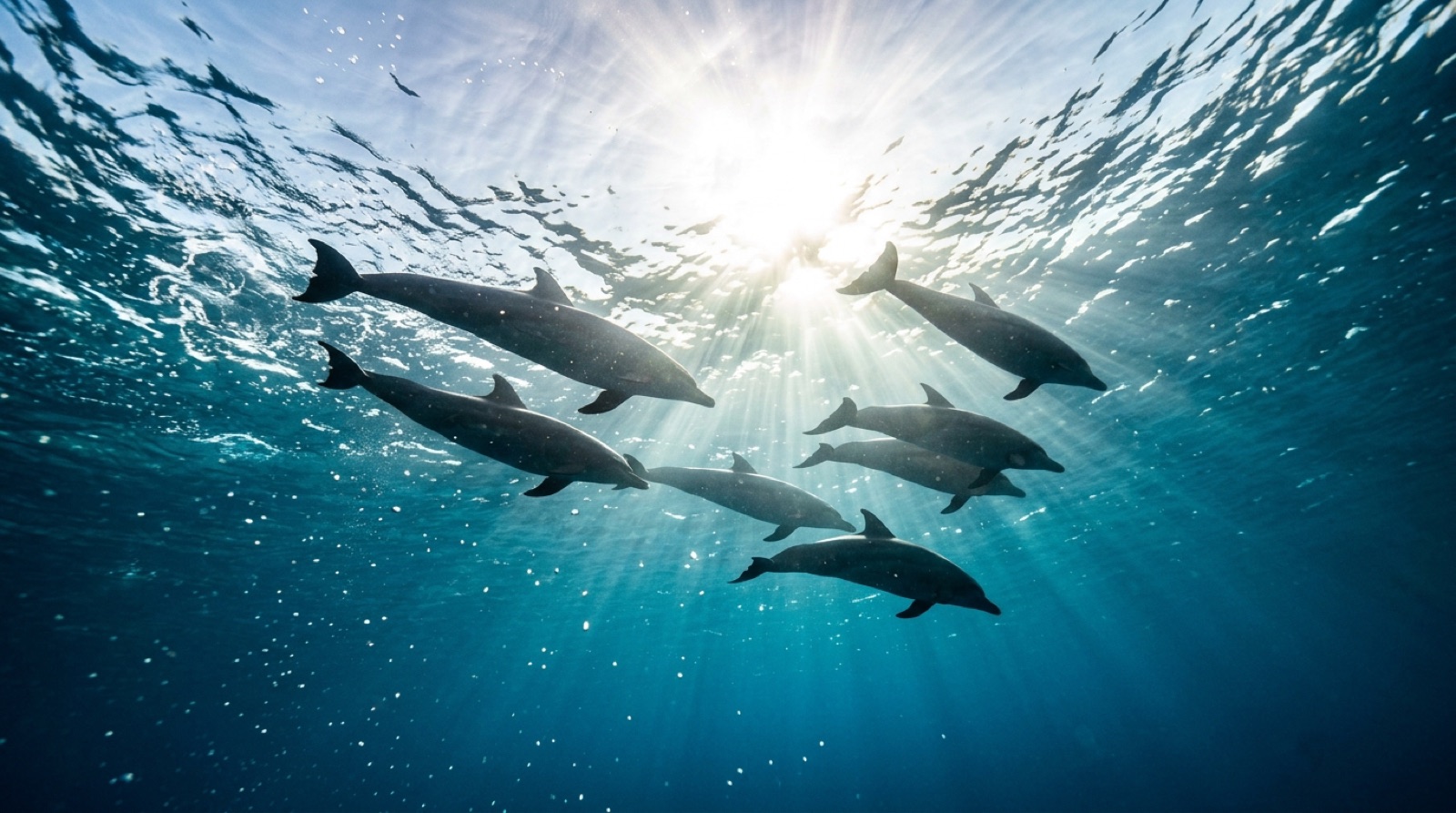
Two hundred kilometres south of Tokyo, a small, cliff-ringed island holds one of Japan's most extraordinary marine encounters. Around Mikurajima, roughly 150 wild Indo-Pacific bottlenose dolphins live year-round, and through the warm months they tolerate — sometimes actively court — human swimmers gliding at the surface above them. There is no cage, no feeding, no aquarium: just you, a mask and fins, and a pod that has chosen to stay. For anyone who dives Japan for its wildlife, a Mikurajima dolphin swim is a summer pilgrimage worth planning around.
Why Mikurajima, and why summer
Mikurajima sits in the Izu Islands chain, just south of Miyakejima and north of Hachijojima, squarely in the path of the Kuroshio — the warm western-boundary current that carries tropical water up Japan's Pacific flank. That current is the whole story here. It keeps a resident population of bottlenose dolphins fed and settled, and it warms the surface enough for long in-water sessions. The swim season runs roughly mid-April to October, but the sweet spot is high summer, when boats can actually reach the island and the sea is at its most inviting.
Unlike the volcanic reefs elsewhere in the Izu Seven Islands, Mikurajima is not primarily a scuba destination — dolphin interaction is done by snorkelling and freediving, never on scuba, to keep the encounter calm and the animals comfortable. Bubbles and hardware spook dolphins; a quiet breath-hold diver dropping a few metres to meet them at eye level does not. Many visitors pair the trip with scuba days on neighbouring islands, treating the dolphin swim as the wildlife centrepiece of a longer Izu voyage.
What the encounter is actually like
Boats leave the small harbour and run along Mikurajima's steep coast, skippers reading the water for fins. When a pod is found, small groups slip in quietly and free-swim. On a good day the dolphins pass beneath you in loose formation, roll to make eye contact, and occasionally circle back for another look. Calves shadow their mothers; adults sometimes spiral up from the blue. It is entirely on their terms, which is exactly why it stays wild.
Visibility and water temperature swing with the Kuroshio's position. When the current sits hard against the island the water runs warm and clear; when it drifts offshore, temperatures can drop noticeably within a day. This variability is the same force that shapes big-animal diving further south — the pelagic drama of Yonaguni and the manta and dolphin action out at Ogasawara all ride on the same warm-current highway.
Rules that protect the pod
The entire island is protected parkland, and dolphin swims are only permitted under a licensed local guide. Expect briefings on how to enter the water, how much distance to keep, and the strict no-touch, no-chase, no-feed code. These rules are not red tape — they are the reason a wild pod still chooses to live here and interact after decades of visitors. Follow your guide's calls on when to swim and when to hold back, and you protect the very encounter you came for.
Plan your dive
- Season: Dolphin swims run mid-April to October; July–September offers the warmest water and the highest ferry success rate.
- Getting there: The Tokai Kisen night ferry leaves Tokyo's Takeshiba Pier around 22:00, calls at Miyakejima, and reaches Mikurajima about 06:30. Crossings are weather-dependent — summer landing rates are high but winter can fall sharply, so build buffer days. A helicopter hop from Miyakejima is a faster, more reliable alternative.
- Level: Confident open-water snorkelling and basic freediving comfort. Strong swimmers get far more from each encounter; a little breath-hold practice pays off.
- Water: Kuroshio-driven and variable — check current conditions before you travel rather than trusting a fixed number, and pack a suitable wetsuit for cooler shifts.
- Combine it: Pair Mikurajima with scuba on the volcanic reefs of the wider Izu region, or make it the wild-encounter leg of a broader tour across our Japan dive destinations.
Book accommodation and a guide well ahead — Mikurajima's tiny village fills fast in peak summer, and guide numbers are deliberately capped. Come with patience for the sea, respect for the rules, and the understanding that nothing is guaranteed. When the pod does rise to meet you in that clear blue water, you will understand why divers keep making the long night crossing back.
← Back to the Dive Japan Journal, or explore dive destinations and maps of Japan.
