

Why July Diving in Okinawa Is Not Peak Season, Despite What the Calendar Says
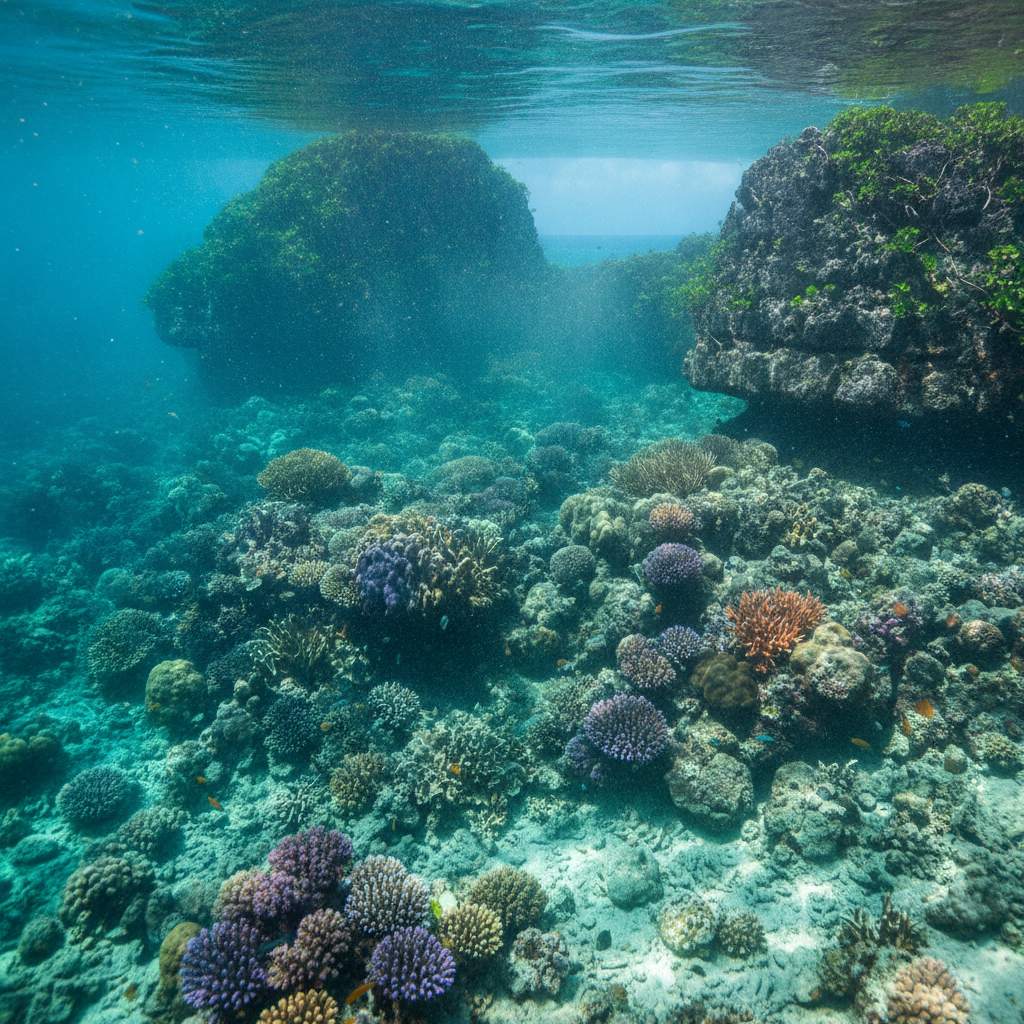
The Trigger: High season generally starts mid-July, and lasts until September, according to major diving season guides. But the same sources acknowledge a critical conflict: July is the start of typhoon season in Okinawa. Travel marketing glosses over this contradiction. Most divers arrive in July expecting perfect conditions and find instead a region where weather can reverse plans within hours.
Why July Marketing Misleads Divers
The calendar tells half the story. Summer is high season in Okinawa, and even if there are no typhoons (most visitors get lucky during their recent trip in July), it will may rain frequently. This is presented as a minor inconvenience. It is not. Typhoons are genuinely hazardous for dive operations. A tropical storm system does not politely wait for your vacation. Once a major system forms, dive boats are grounded for days, sometimes longer. Many operators require cancellation refunds, but that does not recover your airfare, resort bookings, or time away from home.
Water temperature, the other headline figure, works against the marketing too. In the summer months, the temperatures climb to 25 to 29°C in the water, which is warm. But warm water in July and August brings plankton blooms and reduced visibility exactly when divers expect crystal clarity. Water temperature is still warm but plankton decreases and clarity increases. This is also the time of year when the encounter rate with manta rays increases in the Kerama Islands in autumn. Autumn, not summer, is when visibility peaks.
Manta rays at Ishigaki Island see high encounter probability from June to November, which does include July. But the frequency is not constant across those months. The encounter rate with manta rays increases in the Kerama Islands specifically during autumn. You are trading typhoon risk for no real seasonal advantage on the animals you came to see.
What July Actually Costs You
Book early. Everything books out quickly in summer, which means limited operator choice. You get whichever shop has availability, not necessarily the safest or most experienced outfit. Prices spike. Hotels are packed. The Okinawa experience becomes about managing crowds as much as diving.
Flexibility evaporates. While you need to book in advance, you'll need to stay a bit flexible. Flexible, in a practical sense, means you need extra vacation days to reschedule typhoon cancellations. If you booked a single week and hit a weather closure on days three and four, your dive count drops from your planned five or six to two or three. Land activities suffer the same fate. Rain ruins hiking and sightseeing just as it stops boats.
Briefing quality declines. When thirty divers are cycling through per day instead of fifteen, operator attention fragments. Safety briefings become rushed. Predive checks feel perfunctory. This is not paranoia. It is a simple volume problem that every commercial operation faces in peak season.
The Better Choice
Avoid the peak-season trap. A great middle ground for fewer crowds, lower prices, and nice spring weather is mid-April, May, and June. Yes, June is rainy season in central Honshū. But in the Nansei / Ryū-Kyū Islands, the rainy season usually spans from mid-May to mid-June, meaning late May and early June often clear. You dodge most of the rain while missing July's typhoon window entirely. Water is warm enough, visibility is improving, and you book at leisure.
If you cannot avoid July, commit to a longer trip. Build in extra days to absorb cancellations. Expect plankton and accept reduced visibility. Choose a larger, more experienced operator with proven safety protocols for rough weather. Check their refund policy in writing. Understand that you are gambling on fortune, not planning a guaranteed dive vacation.
For serious Okinawa diving, think October to December. Autumn is a comfortable season, with temperatures around 25°C and lower humidity. The typhoon season ends, and there are more sunny days. It is time to enjoy diving in peace and quiet. Water temperature is still warm but plankton decreases and clarity increases. You get manta encounters without the weather panic, and the whole archipelago becomes accessible again.
Peak season marketing serves operators, not divers. The calendar says July. Your safety and satisfaction say otherwise. Book smarter, and your Okinawa dive trip becomes memory instead of regret.
Okinawa diving information and seasons guide
- Yonaguni Island and hammerhead diving
- Drift diving in Japan
- Japan dive destinations overview
- Shore and beach diving in Japan
Written with AI assistance and checked against the public sources linked above. Not a substitute for a certified local dive briefing.
← Back to the Dive Japan Journal, or explore dive destinations and maps of Japan.
